
Jaguar captured by hidden cameras in rural area of Valledupar
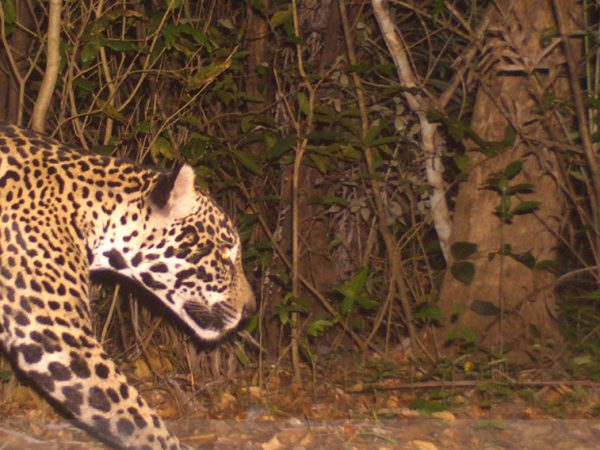
After the installation of 24 camera traps in an area of 70.000 hectares in the Sierra Nevada de Santa Marta, a jaguar was observed for the first time in Arhuaco territory in a rural area of Valledupar.
Through the cameras it was possible to observe the biological and spiritual corridor of the jaguar, considered the largest feline in the Americas and classified as a near-threatened species on the Red List of the International Union for Conservation of Nature.
The recording in camera traps is part of an initiative led by ISA and ISA Intercolombia through the sustainability program Conexión Jaguar and developed by the Fundación Herencia Ambiental Caribe, which seeks the formulation together with the Arhuaco people of a conservation project in the Sierra Nevada de Santa Marta.
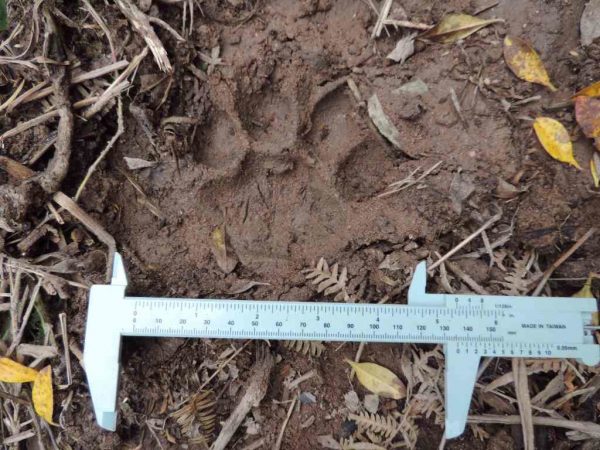
The presence of jaguars has also been evidenced in the area, thanks to their tracks. Photo: ISA.
These projects aim to implement actions for the preservation and sustainable management of forests to protect biodiversity, contribute to climate change mitigation and generate benefits for rural communities in the cultural and sacred territory.
The cameras also captured the presence of the blue-billed curassow (Crax alberti), a critically endangered species, and the Margay leopardus wiedii, considered a near-threatened species.
Jaguar in the Sierra Nevada de Santa Marta

With camera traps installed in Arhuaco territory in the Sierra Nevada de Santa Marta, the Conexión Jaguar program was able to record the presence of jaguars. This is good news for the planet, as this feline is on the red list of threatened species. Guillermo González, ISA’s Chief Institutional Relations Officer, explains the importance of this finding.
In Colombia 1.302 species are under some degree of threat.
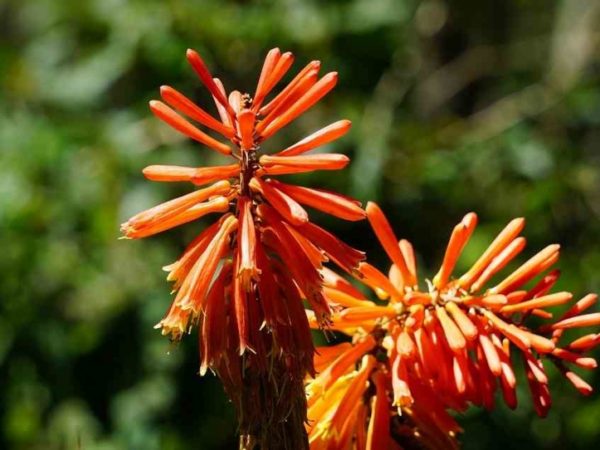
The most recent data from the Ministry of Environment indicate that there are 814 species of flora in some category of threat and 488 species of fauna. Today, when National Wildlife Day is celebrated, the call is to protect and conserve biodiversity, an issue that companies have been working on.
The jaguar is seen for the first time in the Sierra Nevada de Santa Marta
The sighting of the largest feline in the Americas in Arhuaco territory demonstrates the good condition of this ecosystem. In the camera traps installed in this biological corridor, blue-billed curassows and margays were also seen.
It is possible to coexist with jaguars and protect them at the same time.
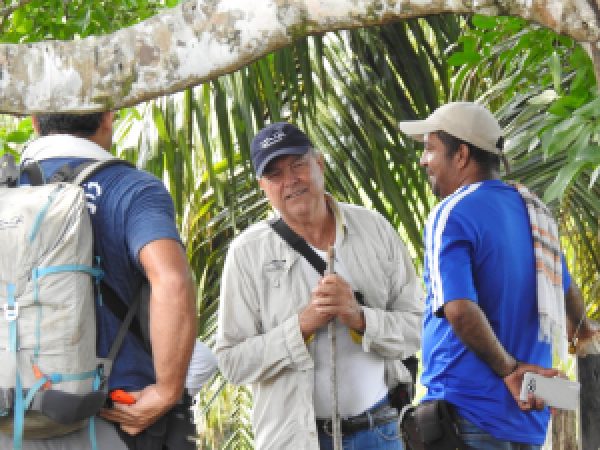
Monitoring cameras captured images of two jaguars in a rural area of Simacota, Santander, where there is large-scale retaliatory hunt.
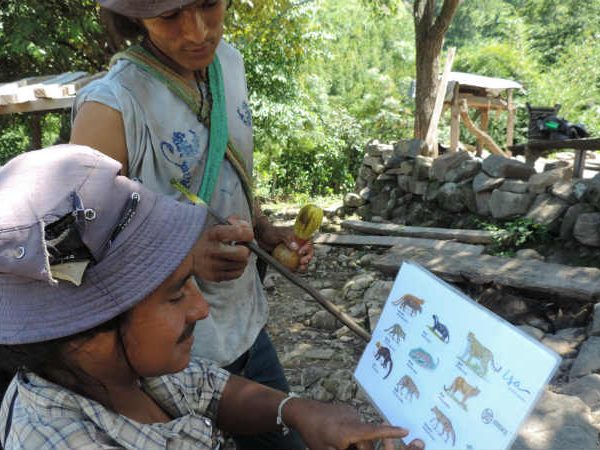
These findings are part of the Human-Feline Coexistence, a complementary line of action of ISA’s Conexión Jaguar Program, which seeks to sensibilize and educate communities to raise awareness about the loss of biodiversity.
Conexión Jaguar for ISA
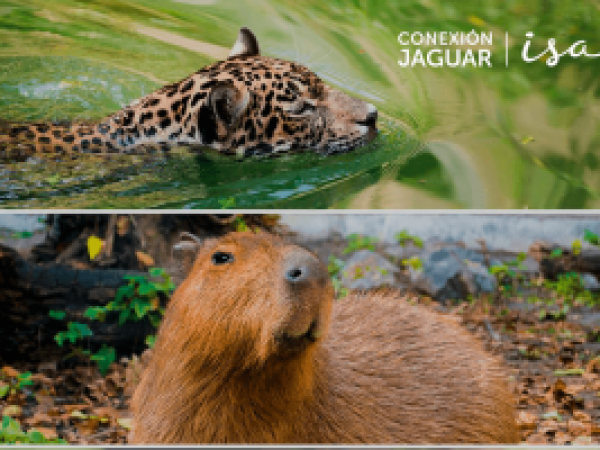
Juan Fernando Patiño, leader of the Conexión Jaguar Program, visits Encuentros BLU to talk about the importance of this program and explains how jaguar protection can contribute to biodiversity conservation, community development and the reduction of the impact of climate change.
A group in Barrancabermeja seeks to raise awareness to preserve the jaguar
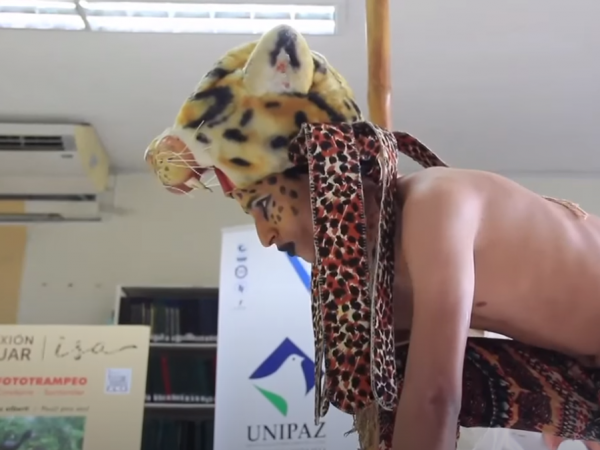
The protection of the jaguar has brought together different sectors: communities, academia and private enterprise met in Barrancabermeja around art and biodiversity to exalt the power of the largest feline in the Americas. This is how members of an artist collective follow in the footsteps of the jaguar.
Camera traps record several jaguars
In the Sierra Nevada de Santa Marta, in Arhuaco territory, several jaguars were sighted, between three or four, as part of the Conexión Jaguar program, which has been carried out for a year by ISA and which covers part of the Antioquian territory with sustainability programs associated with the protection of this animal, considered the largest feline in the Americas.
Cameras in Arhuaco territory record first jaguar in the area
In the foothills of the Sierra Nevada de Santa Marta, the presence of a jaguar, the largest feline in the Americas, was recorded for the first time in Arhuaco territory, classified as a “near threatened species” on the Red List of the International Union for Conservation of Nature (IUCN). The camera trap recording took place […]